
Winter Storage Solutions: How to Protect Seasonal Gear Until Spring
January 27, 2026
When the temperatures drop and the days get shorter, your stuff still needs protection. From outdoor furniture to winter sports gear and holiday décor, how you store things in winter
can make the difference between “ready for next season” and “why does this look ruined?”
Whether you’re using closets, garages, or a self storage unit, these winter storage solutions will help keep your belongings safe until spring.
1. Start with a Winter Storage Game Plan
Before you start hauling things into a unit (or your basement), make a quick list of what needs protection from cold, moisture, or snow, like:
- Outdoor furniture and cushions
- Garden tools and lawn equipment
- Holiday décor
- Winter sports gear (skis, snowboards, boots)
- Seasonal clothing and bedding
Grouping items by category now will make unpacking and rotating them back out in spring a lot easier.
For a big-picture look at seasonal storage planning—what to rotate and when—guides like “Seasonal Storage Solutions” can be really helpful for mapping out the year.
2. Protect Outdoor Furniture and Cushions
Winter is rough on patio sets. Moisture, freezing temps, and ice can crack, rust, and fade materials over time.
Basic steps to protect outdoor furniture:
- Clean first: Wipe down furniture and let it dry completely.
- Cover or store: If you can’t bring furniture fully indoors, use well-fitted, breathable covers to keep snow and rain off.
- Store cushions inside: Cushions and pillows soak up moisture, which can cause mold and mildew. Bring them into a dry indoor space or pack them in breathable storage bags.
If you’re tight on space at home, a small storage unit is a great place to keep cushions, umbrellas, and smaller pieces safe for the season.
3. Store Winter Sports Gear the Right Way
Skis, snowboards, and boots aren’t cheap—so a little storage care goes a long way.
Before storing your gear:
- Wipe off dirt, salt, and grime. Let everything dry completely.
- Buckle or lace boots and store them upright so they keep their shape.
- Keep everything in a cool, dry place—no damp corners or directly on concrete.
Many experts recommend cleaning gear and making sure it’s fully dry, then storing it in a bag or on a rack to protect edges and bases.
A storage unit with racks or wall hooks can double as your off-season “gear garage” so your hallway or closet doesn’t become a ski pile.
4. Keep Seasonal Clothing and Bedding Fresh
Bulky winter coats, blankets, and flannels take up a lot of space. Storing them well prevents musty smells and damage:
- Wash everything before storing.
- Use breathable containers or high-quality bins, and avoid cramming them too tight.
- Consider vacuum-sealing very bulky items (like comforters) to save space.
If your closets are overflowing, moving out-of-season items into storage frees up daily space while keeping everything accessible for next year.
5. Think About Moisture, Temperature, and Airflow
Winter storage isn’t just about where you put things—it’s about the conditions you store them in.
- Keep items off the floor when possible (use pallets or shelves) to protect from condensation or any minor water intrusion.
- Use sturdy, sealed containers to keep out moisture and pests.
- Avoid overpacking so air can circulate around items.
For especially sensitive items (like electronics, heirlooms, or wooden furniture), a more controlled environment is ideal—either inside your home or in a properly maintained storage unit.
6. Rotate and Label for Easy Spring Access
Finally, don’t forget your future self:
- Label every bin clearly by category and season.
- Place items you’ll want first in spring near the front of your storage area or unit.
- Keep a simple inventory list on your phone so you don’t forget what you stored where.
Smart labeling and rotation are the difference between “grab it and go” and “dig through everything you own.”
Helpful Outside Resources
If you want to go deeper on specific seasonal items, these guides are worth sharing or bookmarking alongside your blog:
- “Warm Up Your Home: Seasonal Storage Ideas for Winter” (Guardian Storage) – Great quick tips on using airtight containers, labeling by category, and storing decor so it’s easy to pull back out next season.
- “11 Tips for Winter Self Storage” (Extra Space Storage) – A solid overview of winter storage best practices, like using weather-resistant containers, moisture absorbers, and keeping items elevated.
Final Thoughts
Winter doesn’t have to be hard on your stuff—or your space. With a little planning, the right containers, and smart use of self storage, you can:
- Protect outdoor furniture and cushions
- Keep sports gear ready for next season
- Free up closets and garages
- And roll into spring organized and stress-free
Your future self (and your future gear) will thank you.
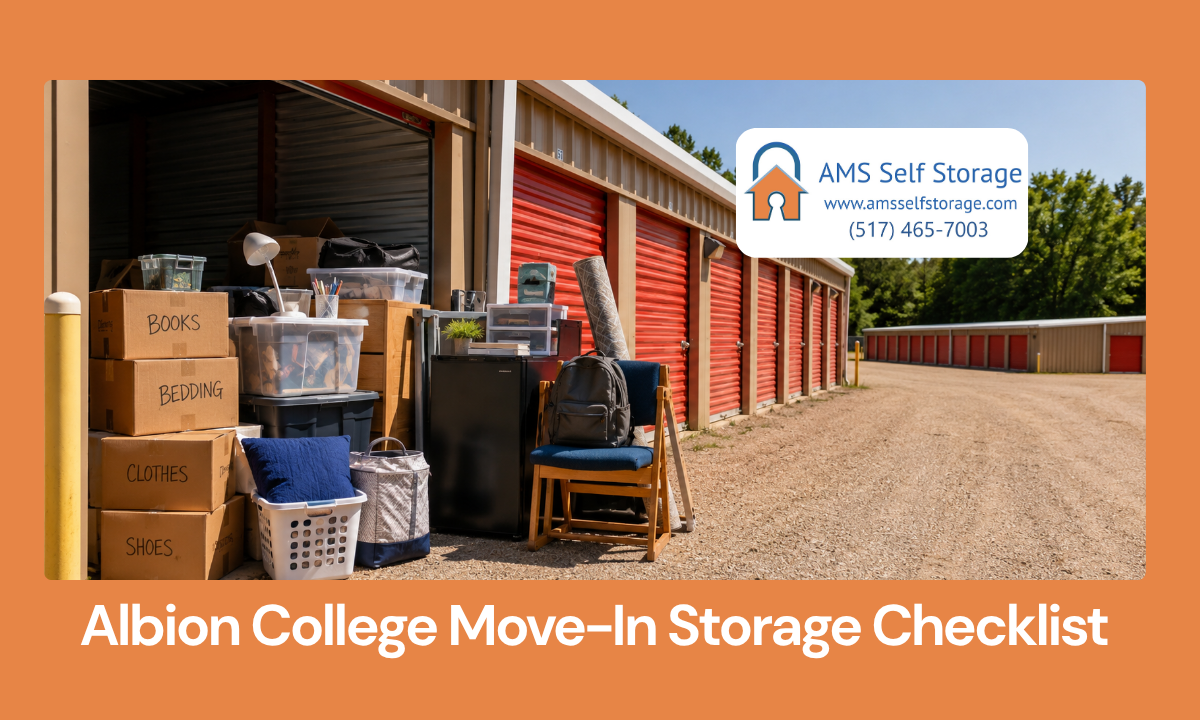
Use this Albion College move-in storage checklist to empty your unit, organize dorm items, and start the fall semester with less stress.

Not sure what size storage unit you need in Albion, MI? Compare common storage needs, item examples, vehicle storage tips, and rental planning.
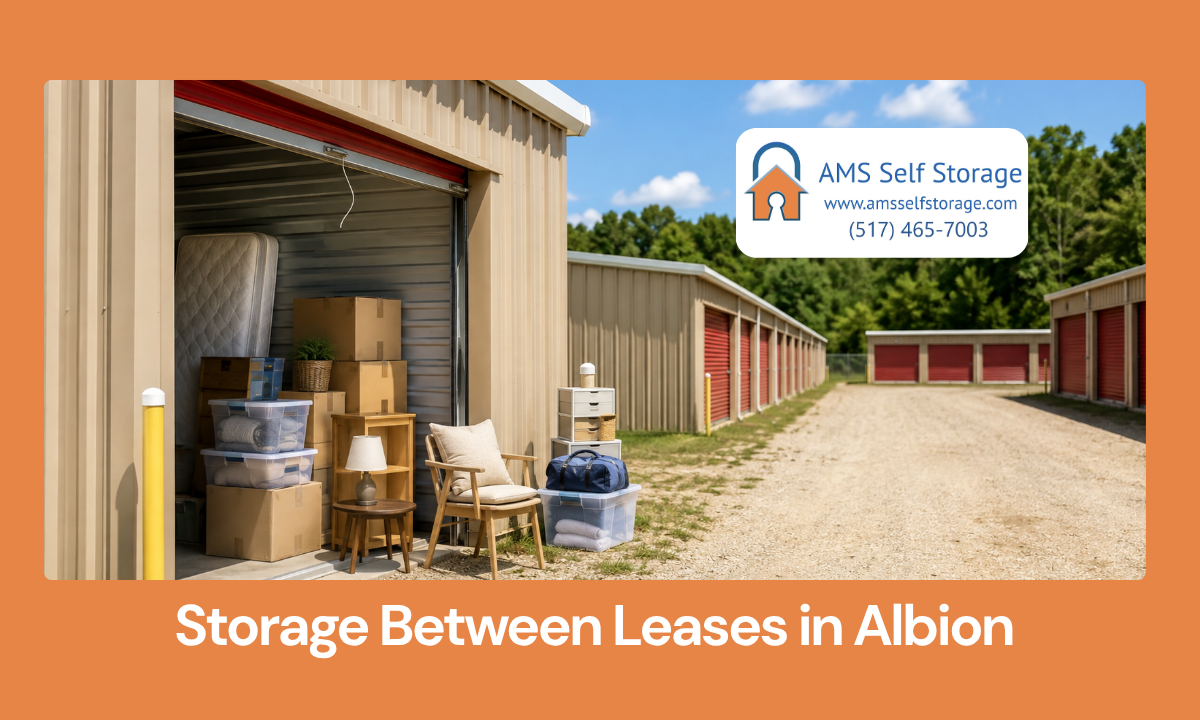
Need storage between leases in Albion, MI? Learn how short-term storage can help during move-out and move-in date gaps for renters and students.
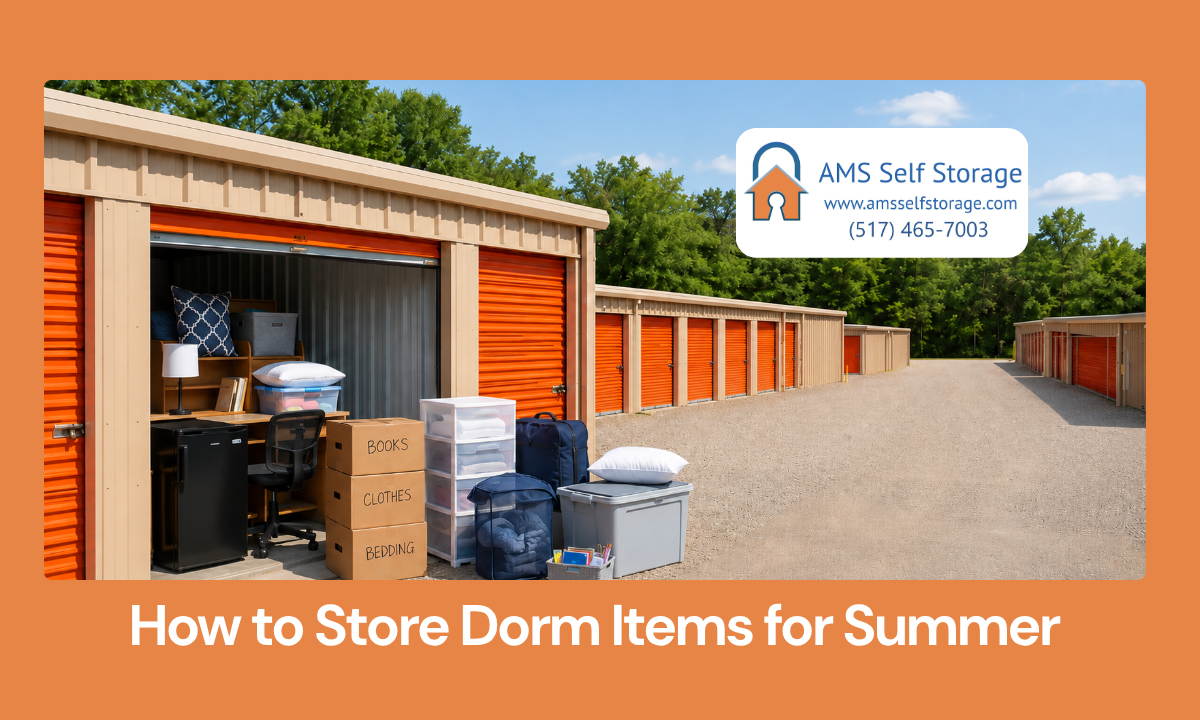
Learn how to store dorm room items over the summer with practical tips for packing, organizing, and choosing storage near Albion College.

Explore affordable storage solutions for small businesses in Albion, MI, including inventory, tools, supplies, and home-based business storage.
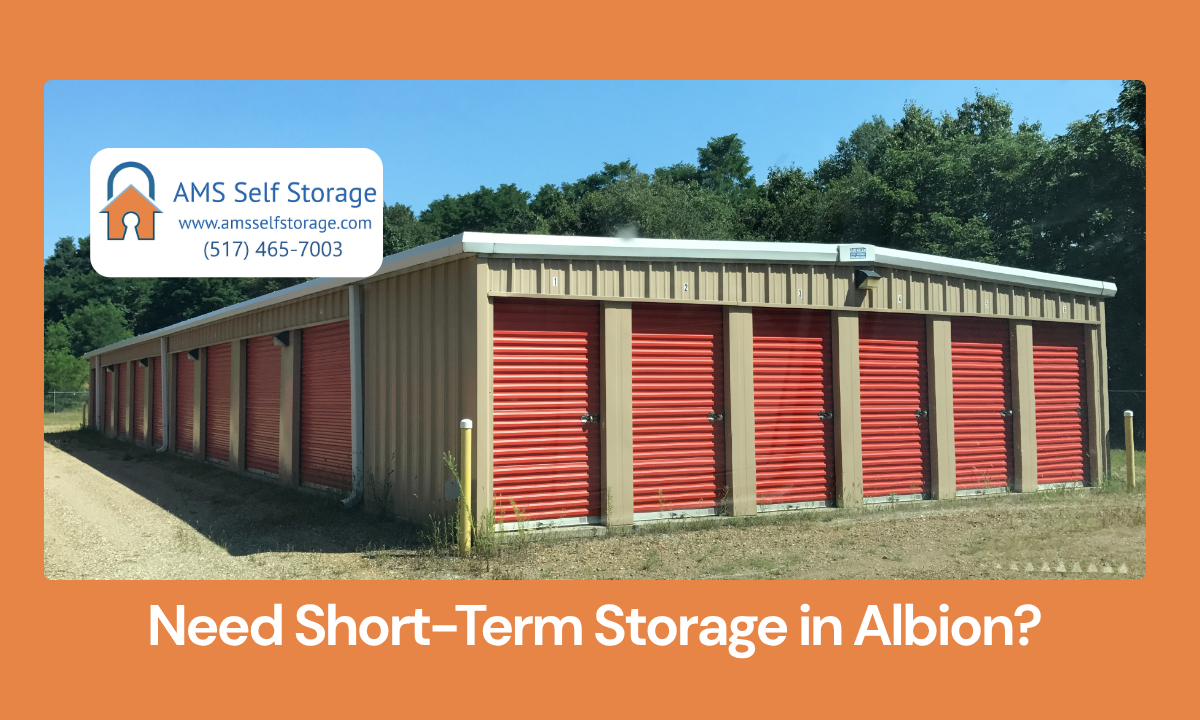
Need short-term storage in Albion, MI? Learn when it makes sense for moves, renovations, lease gaps, summer breaks, and temporary space needs near home.

Find out what size storage unit Albion College students need for summer break, from dorm essentials to apartment furniture and bins.
Use this Albion College move-out storage checklist to decide what to pack, what to store, and how to make summer break moving easier.
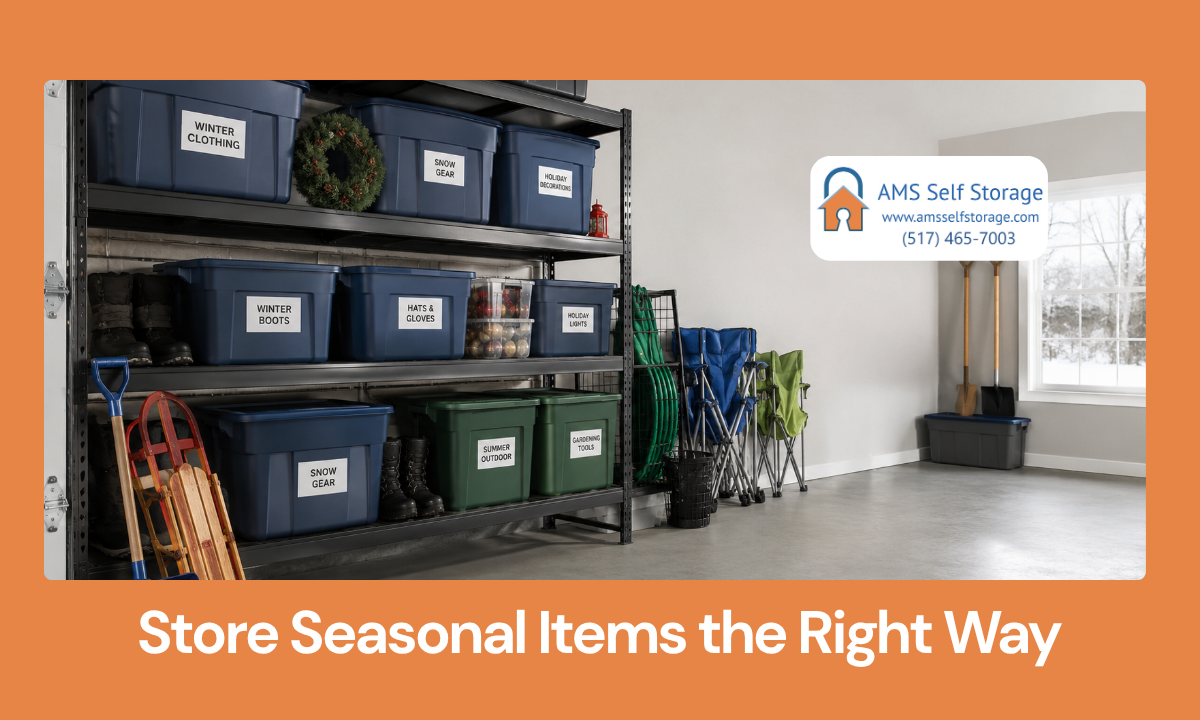
Learn how to store seasonal items in Michigan without damage using smart packing, organization, and storage tips for every season.