How to Protect Your Items in Self Storage
How to Protect Your Items in Self Storage
Storing your belongings in a self storage unit is a great way to create extra space, whether you're moving, decluttering, or managing a life transition. The key to a successful storage experience is making sure your items stay protected while they’re stored.
With the right preparation and organization, you can prevent damage from moisture, dust, and shifting items. A few simple steps can go a long way in keeping your belongings in great condition.
Here’s how to protect your items in self storage.
Pack Items the Right Way
Proper packing is the foundation of protecting your belongings in storage.
Use:
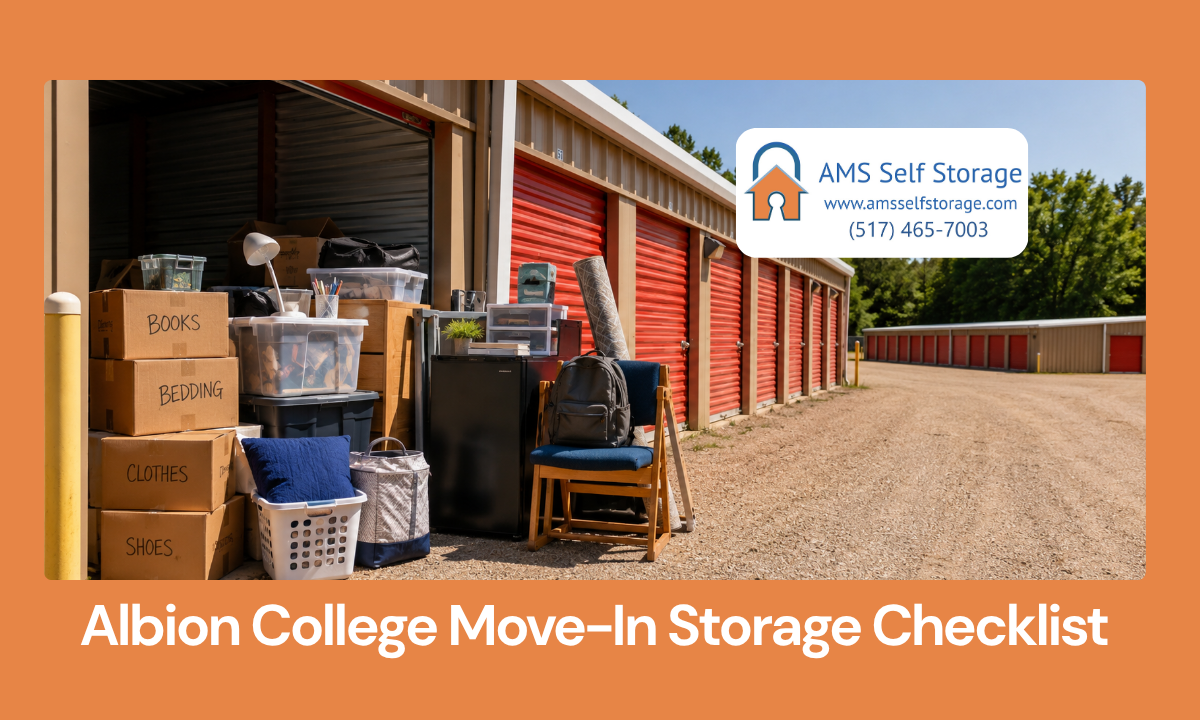
- Sturdy, uniform boxes
- Bubble wrap for fragile items
- Packing paper for dishes and glassware
- Furniture blankets for larger pieces
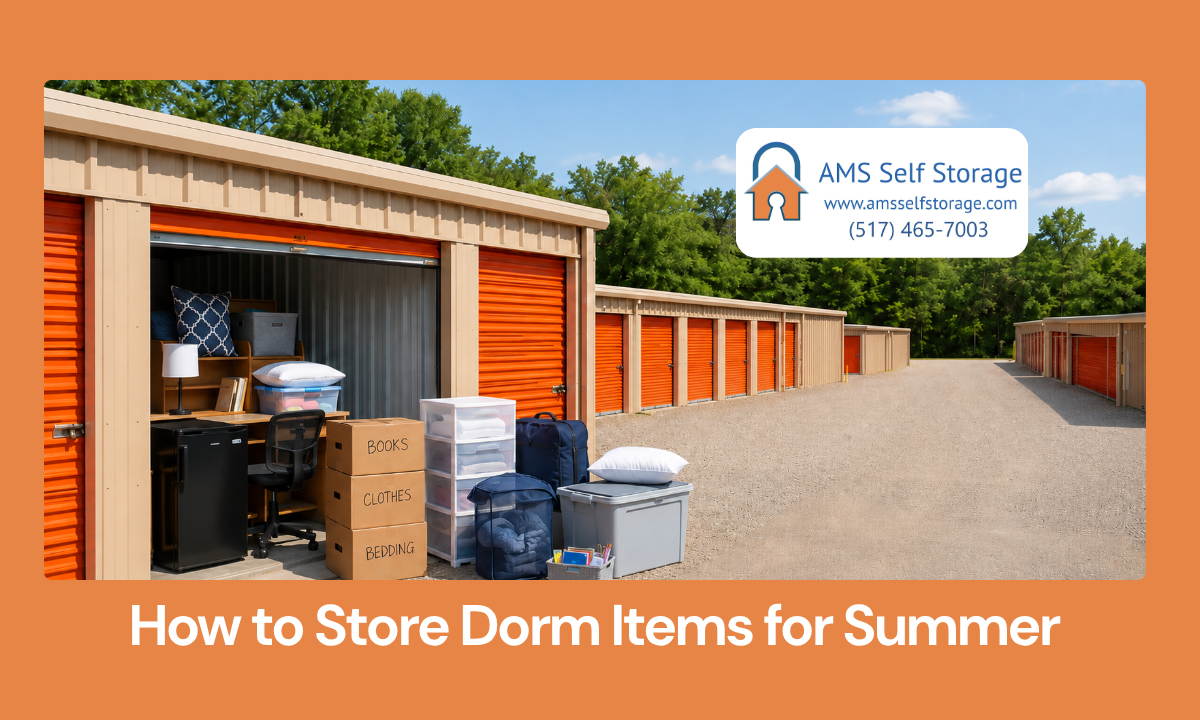
Avoid overpacking boxes, which can cause them to break or collapse. Label everything clearly so you can find items without unnecessary handling.
If you’re unsure how to organize your unit efficiently, Getting the Most Out of Your Self Storage Space offers helpful strategies.
Use Moisture Absorbers
Moisture can build up over time, especially in humid environments.
To help reduce humidity inside your unit:
- Place moisture absorbers or desiccant packs throughout the space
- Use charcoal or baking soda to help control odors
- Check items periodically if possible
Taking these small steps can help protect fabrics, paper items, and furniture from moisture-related issues.
Keep Items Off the Ground
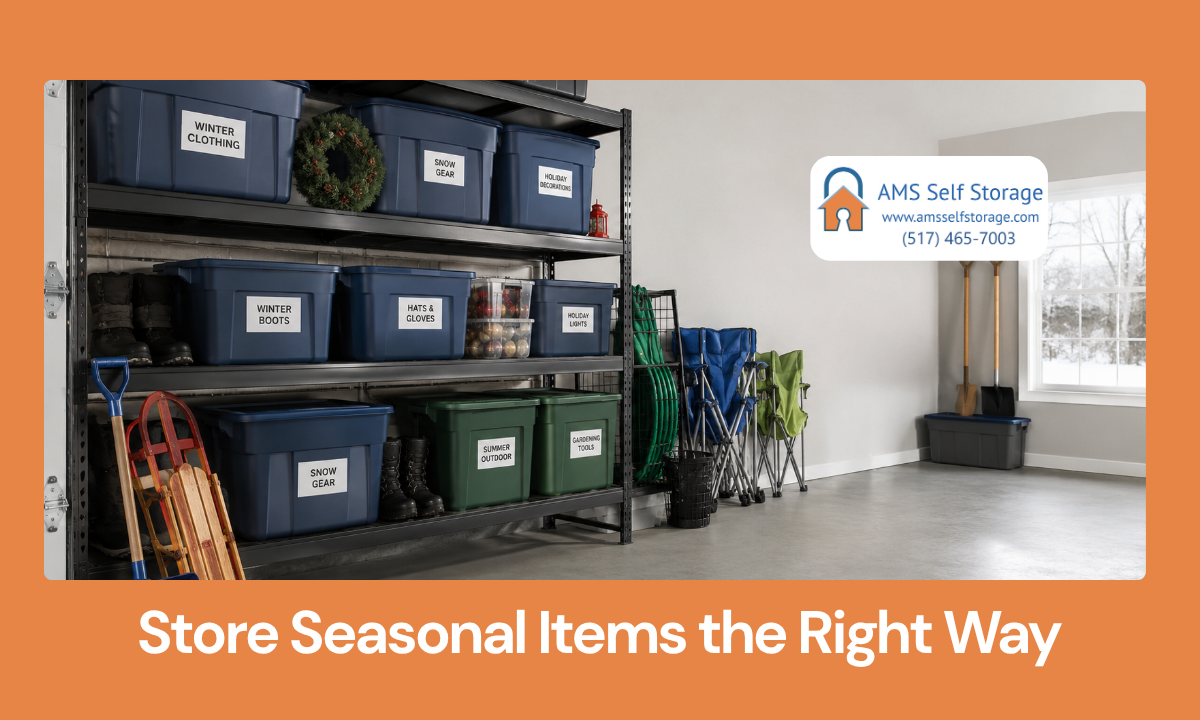
Keeping your belongings elevated is one of the easiest ways to protect them.
Use:
- Pallets
- Wooden boards
- Shelving units
This helps prevent potential moisture exposure from the floor and improves airflow throughout the unit.
Allow for Airflow
Avoid packing your storage unit too tightly.
Leaving small gaps between boxes and furniture allows air to circulate, which helps reduce the chance of trapped moisture. Proper airflow is especially important for long-term storage.
If you’re storing items for an extended period, understanding Short-Term vs. Long-Term Storage: What’s Right for You? can help you plan how to organize and protect your belongings.
Wrap and Protect Furniture
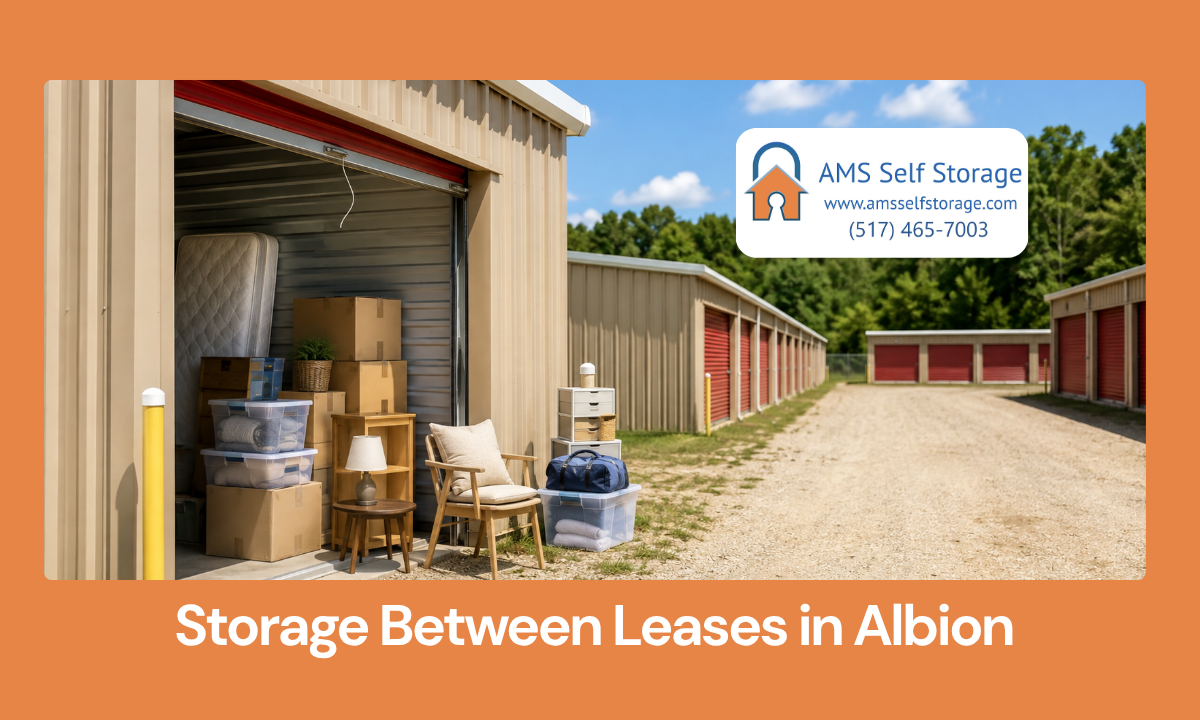
Furniture should always be cleaned and covered before storing.
Use breathable materials like:
- Furniture blankets
- Sheets
- Protective covers
Avoid wrapping items tightly in plastic for long-term storage, as this can trap moisture.
For larger items, A Guide to Storing Furniture Long-Term provides additional tips to help protect your furniture over time.
Make the Most of Your Storage Space
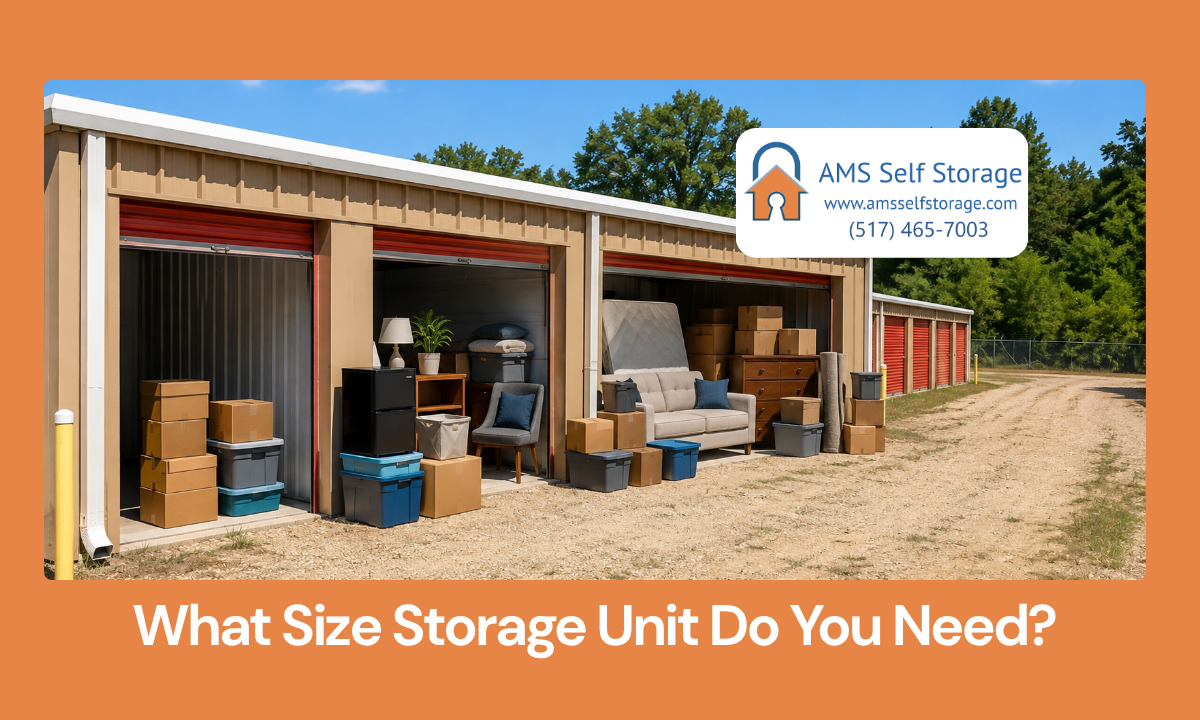
A well-organized storage unit helps protect your belongings and makes access easier when you need it.
By packing carefully, controlling moisture, elevating items, and allowing airflow, you can keep your items safe and in good condition throughout your storage experience.
AMS Self Storage offers convenient, flexible storage options to help you store your belongings with confidence.
Frequently Asked Questions About Protecting Items in Self Storage
How do I protect my belongings in self storage?
Use sturdy boxes, wrap fragile items carefully, cover furniture, keep items off the floor, and leave space for airflow inside the unit.
Should I use pallets in a storage unit?
Yes. Pallets or boards help keep items off the floor, improve airflow, and add protection from possible moisture.
What should I use to cover furniture in storage?
Use breathable furniture blankets, sheets, or protective covers. Avoid wrapping furniture tightly in plastic for long-term storage.
How do I reduce moisture in a storage unit?
Use moisture absorbers or desiccant packs, avoid packing items too tightly, and allow air to circulate between boxes and furniture.
Is airflow important in self storage?
Yes. Airflow helps reduce trapped moisture and can help protect furniture, fabrics, and boxes during storage.