Short-Term vs. Long-Term Storage: What’s Right for You?
Short-Term vs. Long-Term Storage: What’s Right for You?
When renting a storage unit, one of the first things to consider is how long you expect to store your belongings.
Some storage needs are temporary — a few weeks during a move or while renovating a home. Other situations require a longer-term solution for items you don’t need every day but still want to keep safe.
Understanding the difference between short-term and long-term storage can help you choose the right approach and protect your belongings.
What Is Short-Term Storage?
Short-term storage typically means storing items for a few weeks or a few months.
People often use short-term storage when they are:
- Moving between homes
- Waiting on a closing date
- Renovating or remodeling
- Temporarily downsizing
- Preparing a home for sale
Short-term storage provides flexibility and helps keep your home organized during transitional periods.
If your home is already feeling crowded, you may want to review 5 Signs You’re Running Out of Space at Home (And What to Do About It) to determine whether storage could help create more usable space.
When Long-Term Storage Makes Sense
Long-term storage is best for items that may remain stored for several months or even years.
Common reasons for long-term storage include:
- Storing furniture while relocating
- Holding onto family heirlooms
- Managing extra business inventory
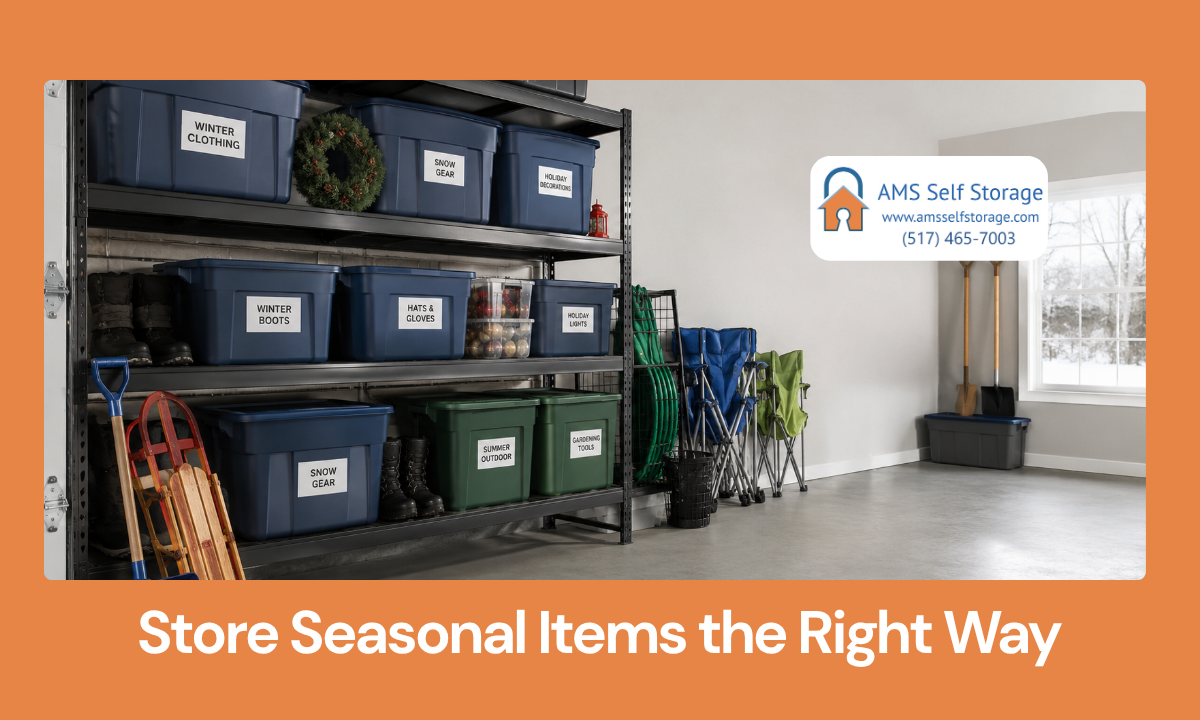
- Storing seasonal household items
- Keeping belongings during extended travel
When storing items for a longer period, preparation becomes especially important. Proper cleaning, covering, and spacing of items helps protect them over time.
If you plan to store furniture or large items, review A Guide to Storing Furniture Long-Term for preparation tips that help keep belongings in good condition.
Packing Strategies for Each Type
While the storage unit itself may be the same, how you organize your items may differ depending on how long they will stay in storage.
Short-term storage usually focuses on convenience. Items may need to be accessed frequently, so placing frequently used items near the front of the unit is helpful.
Long-term storage focuses more on protection and organization. Leaving space for airflow, wrapping furniture carefully, and stacking boxes properly can make a big difference.
You can also improve organization by reviewing Getting the Most Out of Your Self-Storage Space before loading your unit.
Choosing the Right Storage Approach
The best storage strategy depends on your timeline and what you plan to store.
Short-term storage is ideal for life transitions such as moving, renovating, or staging a home.
Long-term storage works well for items that you want to keep but don’t currently have space for.
AMS Self Storage offers flexible storage options designed to support both short-term and long-term needs. With the right preparation and organization, your belongings can remain safe, accessible, and well protected.